Sun Cheng's Team Receives USTC's 2025 President's Award for Distinguished Research: Pioneering New Tool for Liver Cancer Recurrence Prediction


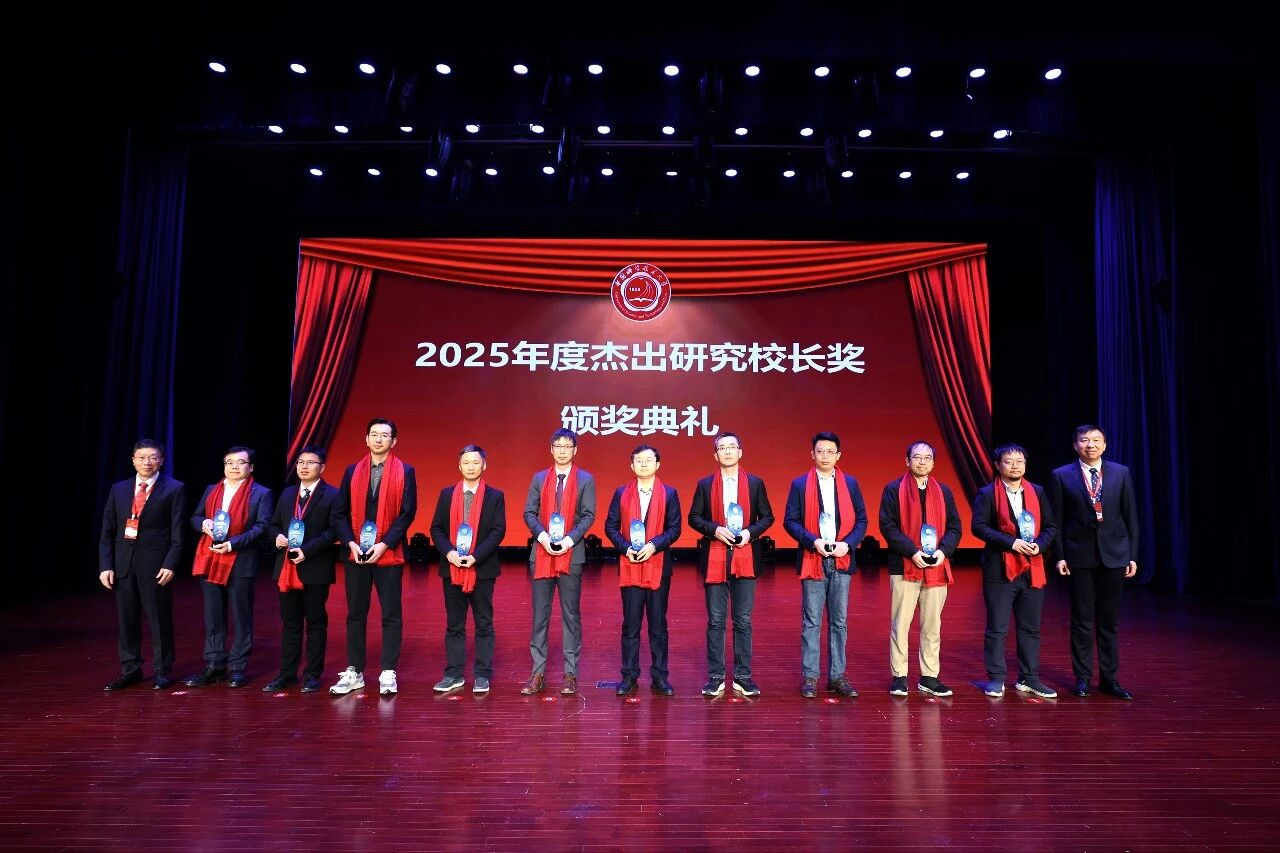
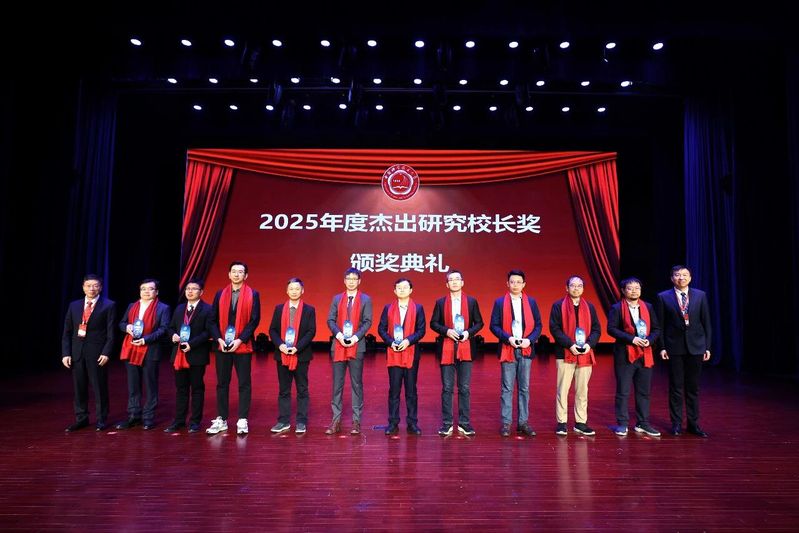
    The University of Science and Technology of China (USTC) recently announced the recipients of its 2025 President's Award for Distinguished Research. Professor Sun Cheng's team from the School of Life Sciences and Medicine received this prestigious honor for their groundbreaking work on Spatial Immune Profiling System for Hepatocellular Carcinoma Recurrence Prediction and Mechanistic Insights.

    Post-surgical recurrence remains a critical challenge in liver cancer treatment. Professor Sun's team tackled this problem by systematically mapping immune cell spatial distributions within the tumor microenvironment and revealing their strong correlations with patient outcomes. Building on these insights, the team developed the innovative TIMES (Tumor Immune Microenvironment Spatial) scoring system, which harnesses artificial intelligence to accurately predict post-surgical recurrence risk in liver cancer patients. This work not only provides novel perspectives for understanding tumor immune microenvironments but also offers a promising tool for precision post-operative management and evidence-based clinical decision-making.

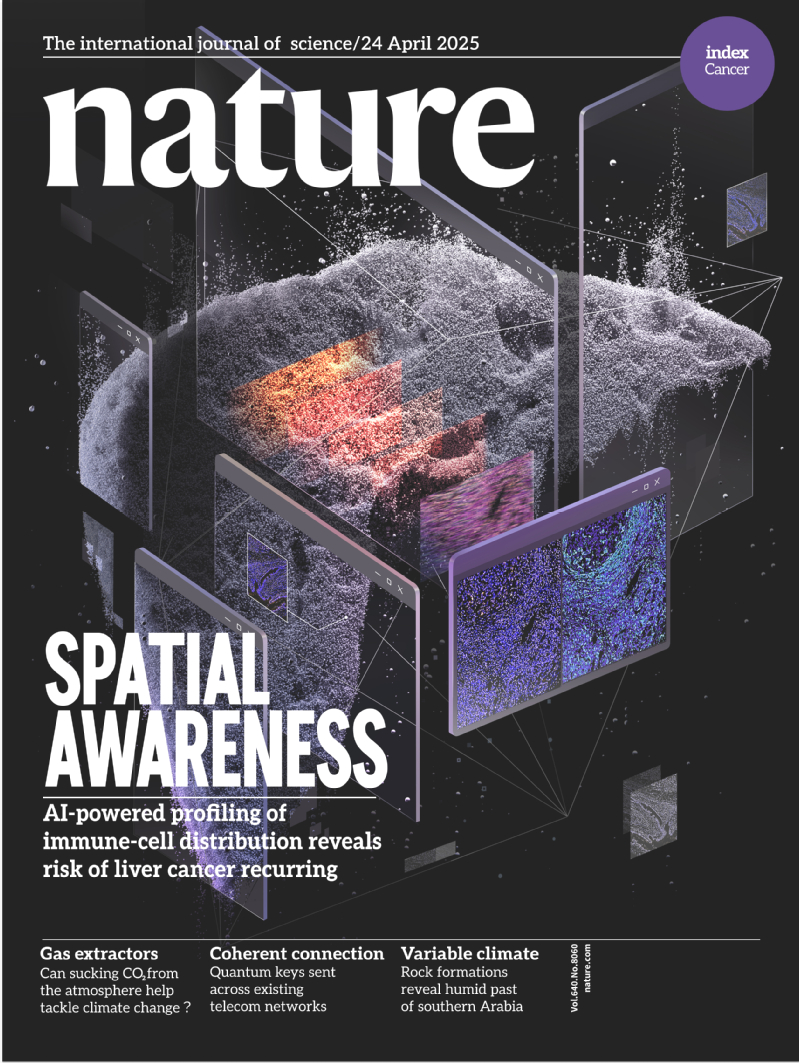
    The research was published as a cover story in Nature, one of the world's most prestigious scientific journals, underscoring its international impact in the field of precision oncology.

    This award recognizes the exceptional innovation of Sun Cheng's team and highlights USTC's cutting-edge advances at the intersection of life sciences and medicine. Moving forward, the team will continue translating these discoveries into clinical applications to advance liver cancer care in China and beyond.


Sun Cheng's Team Selected for China's Top Ten Scientific and Technological Advances of 2025: Liver Cancer Prediction System Receives National Recognition


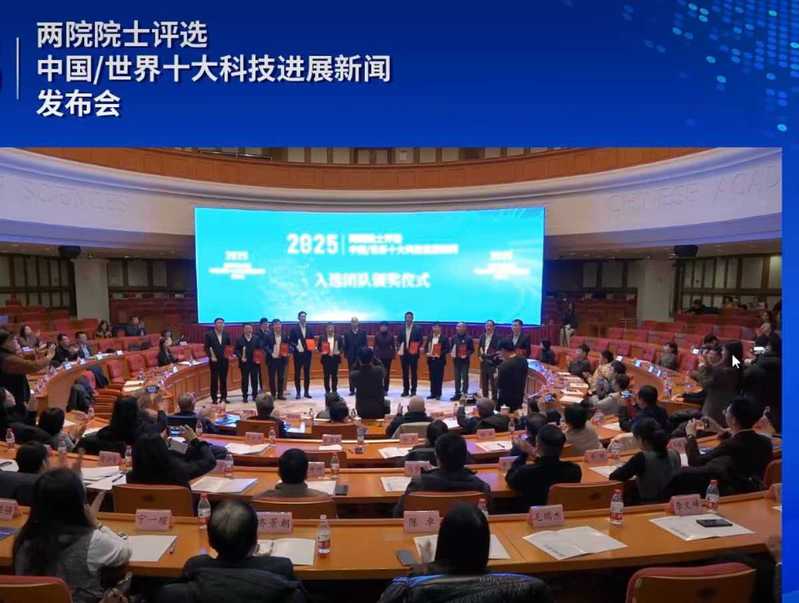
On January 26, 2026, the prestigious Dual Ten announcement ceremony was held at the Academic Hall of the Chinese Academy of Sciences. The achievement Chinese Liver Cancer Prediction System Featured on Nature Cover and Serves Global Community, led by Professor Sun Cheng's team from USTC's School of Life Sciences and Medicine, was selected as one of the Top Ten Scientific and Technological Advances in China for 2025 by academicians of the Chinese Academy of Sciences and Chinese Academy of Engineering. Professor Sun attended the ceremony in Beijing to receive the commemorative certificate and plaque.

The Dual Ten selection—Top Ten Scientific and Technological Advances in China/World—is co-hosted by the Chinese Academy of Sciences and Chinese Academy of Engineering, and organized by the Department of Academic Affairs of CAS and China Science Daily. As one of China's longest-running and most authoritative science communication initiatives, now in its 31st year, the selection represents the nation's most significant scientific breakthroughs and cutting-edge achievements of the year, distinguished by both academic excellence and societal impact.

The selected liver cancer prediction system represents a revolutionary breakthrough by Professor Sun's team in addressing the critical clinical challenge of post-surgical liver cancer recurrence. Through in-depth investigation of spatial distribution patterns of immune cells within the tumor microenvironment, the team revealed core associations with patient prognosis and innovatively developed the TIMES (Tumor Immune Microenvironment Spatial) scoring system. Leveraging advanced technology, this system enables precise assessment of post-surgical recurrence risk in liver cancer patients. It not only provides novel academic perspectives for tumor immune microenvironment research but also serves as a potential cornerstone tool for precision post-operative management of liver cancer patients, contributing Chinese innovation and solutions to the global liver cancer treatment landscape.

Published as the cover story in Nature, the research has generated substantial international academic impact and has been adopted by over 3,000 researchers across 45 countries worldwide.

As a national-level scientific honor, this selection represents high recognition of the Sun Cheng team's research innovation capabilities and achievement value, and demonstrates USTC's leadership position at the frontiers of interdisciplinary life sciences and medicine. The Sun Cheng team states that they will leverage this recognition to continue advancing translational research and clinical applications, making greater contributions to improving liver cancer diagnosis and treatment standards in China and globally, and safeguarding human health.

Research Log--About Experimental Records

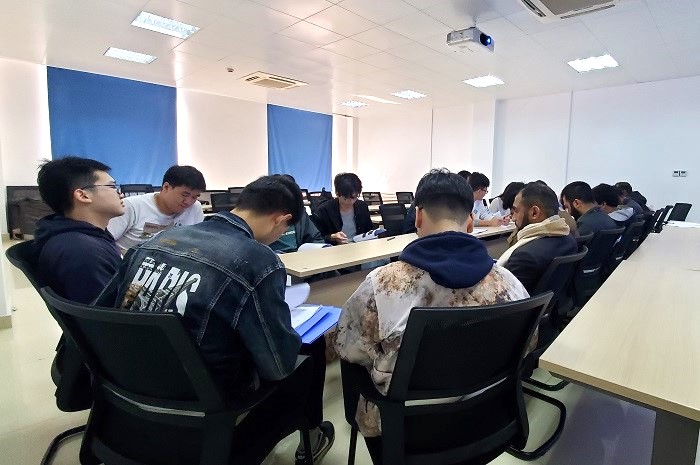
On January 5th, 2024, our laboratory undertook an important initiative to promote scientific rigor and elevate research practices by organizing the fourth Experimental Record Evaluation and Discussion. This event aimed to stress the significance of thorough documentation in fostering reproducibility and proficiency.


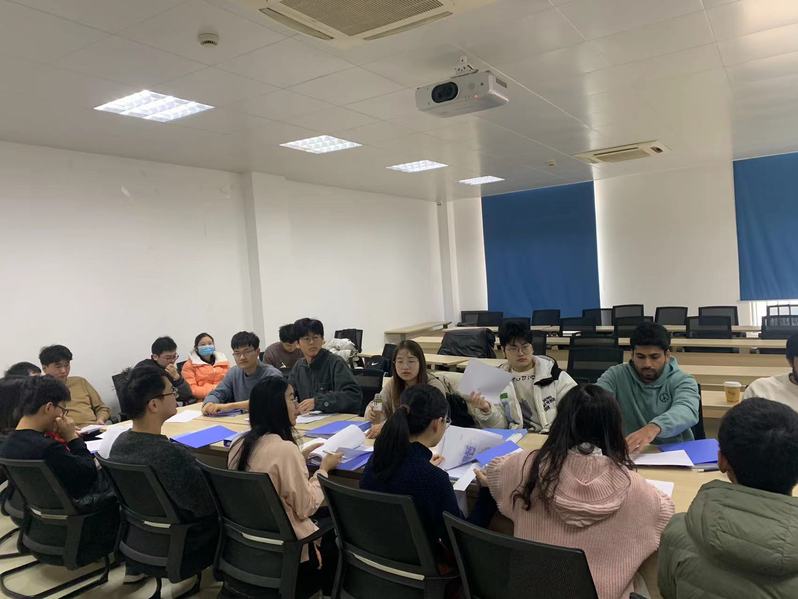
During this session, participants engaged in a transparent yet constructive dialogue, sharing experimental records and providing peer feedback. By evaluating each other's documentation, attendees not only scored results but also offered practical improvements. Ultimately, four exceptional students were recognized for their outstanding record-keeping with well-deserved awards.


Professor Sun underscored the integral role rigorous records play in guiding graduate students towards creating comprehensive and faithful documentation of research. In addition to the recognitions, we also elucidated specific format considerations around cataloging, page numbers, and legible handwriting that contribute to overall clarity. These insights enriched participant understanding, offering tangible guidance on qualities that define excellent scientific documentation.


Beyond celebrating achievements, the Experimental Record Discussion reinforced our laboratory’s dedication to nurturing a community of scholars who advance scientific inquiry through meticulous record-keeping and best practices. This event embodied our commitment to fostering robustness and reproducibility.